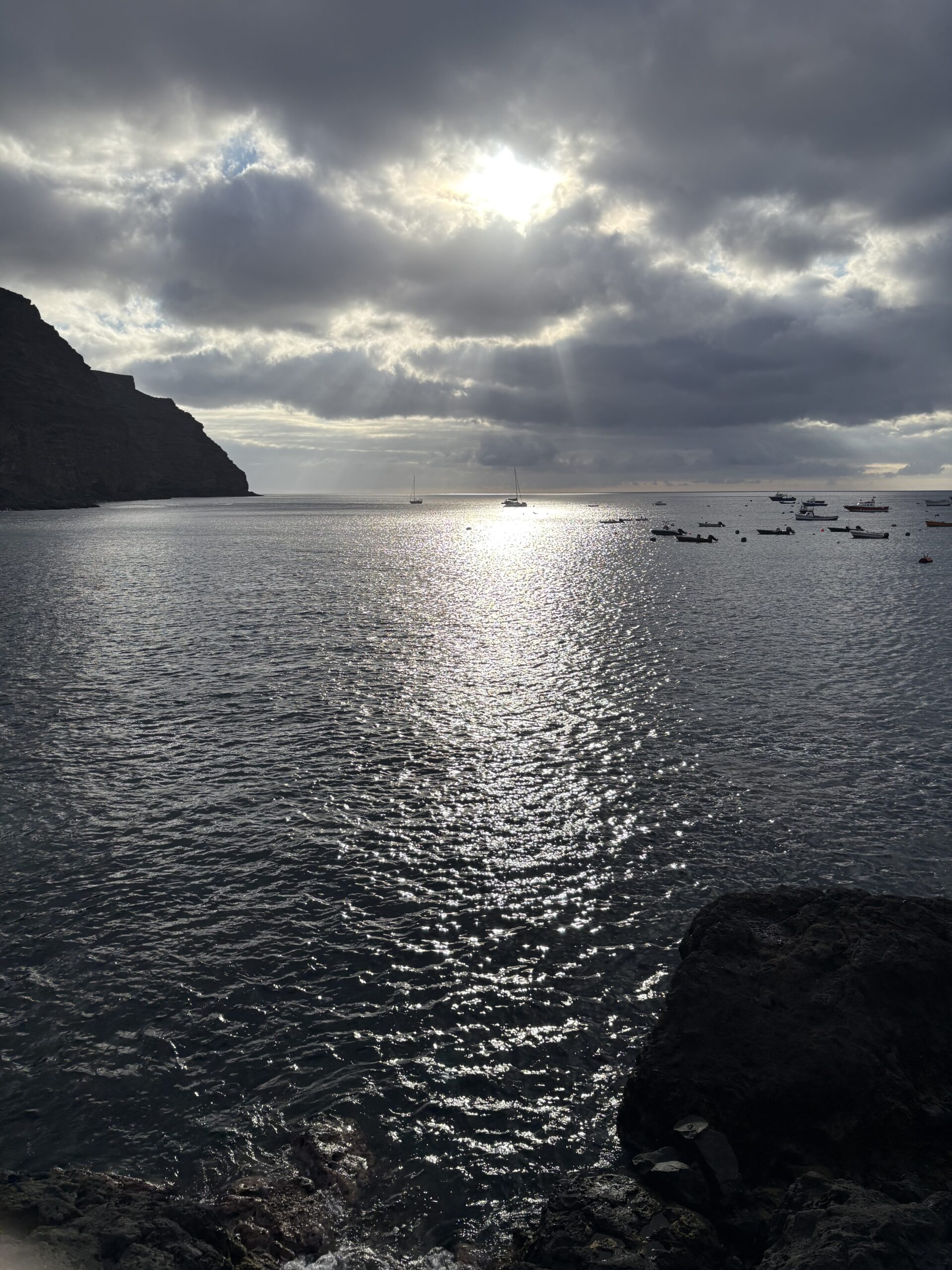
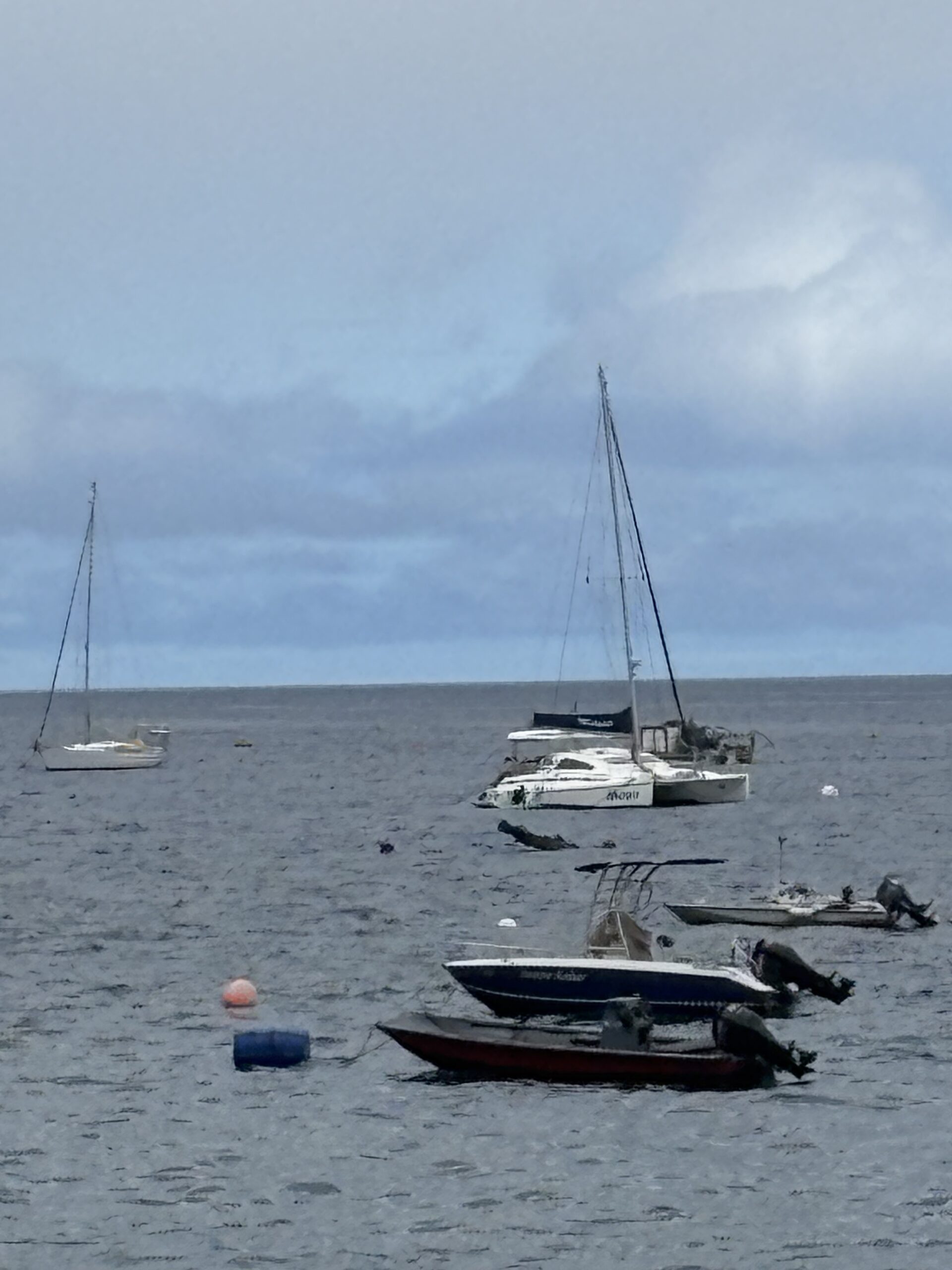
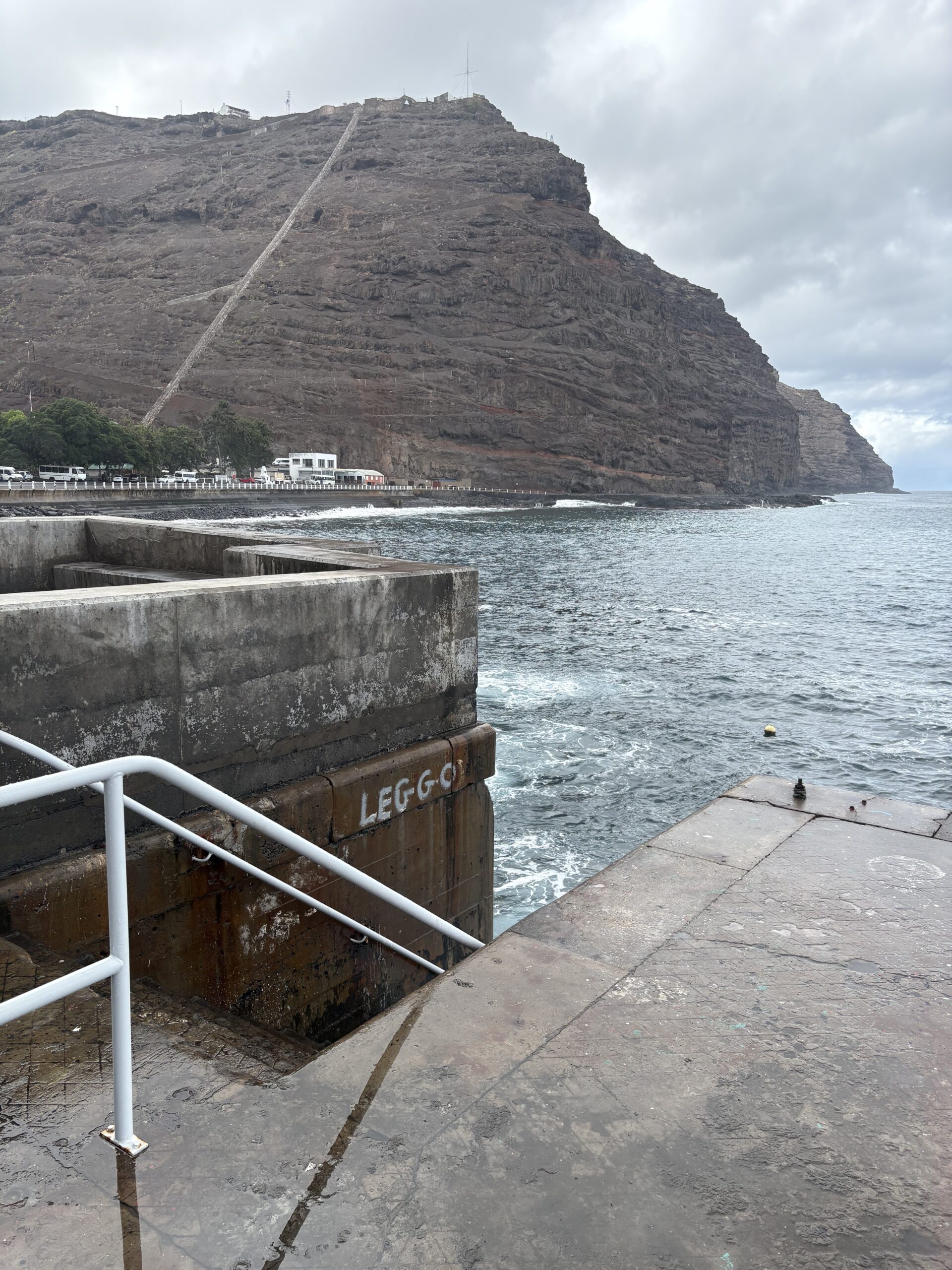
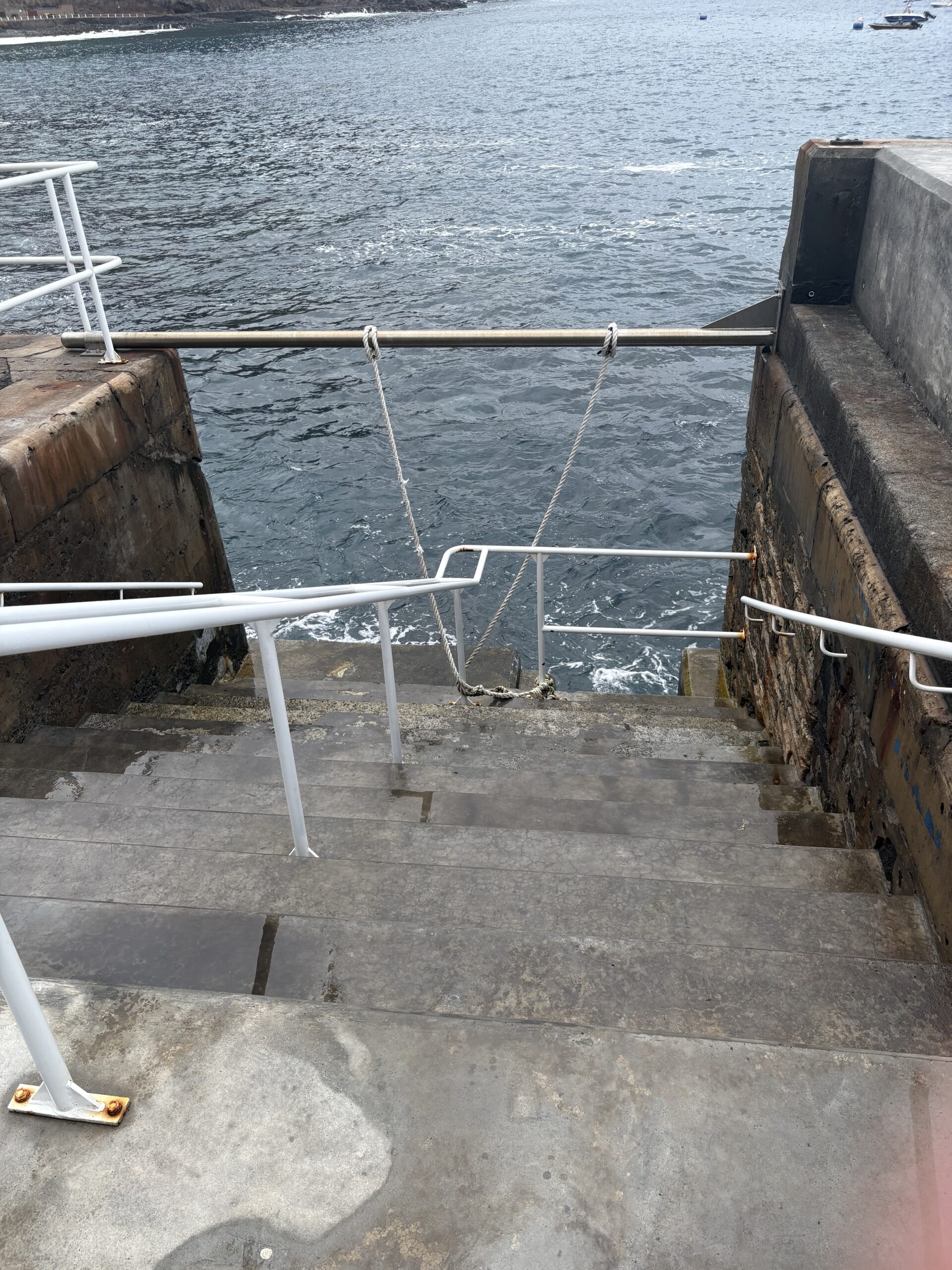
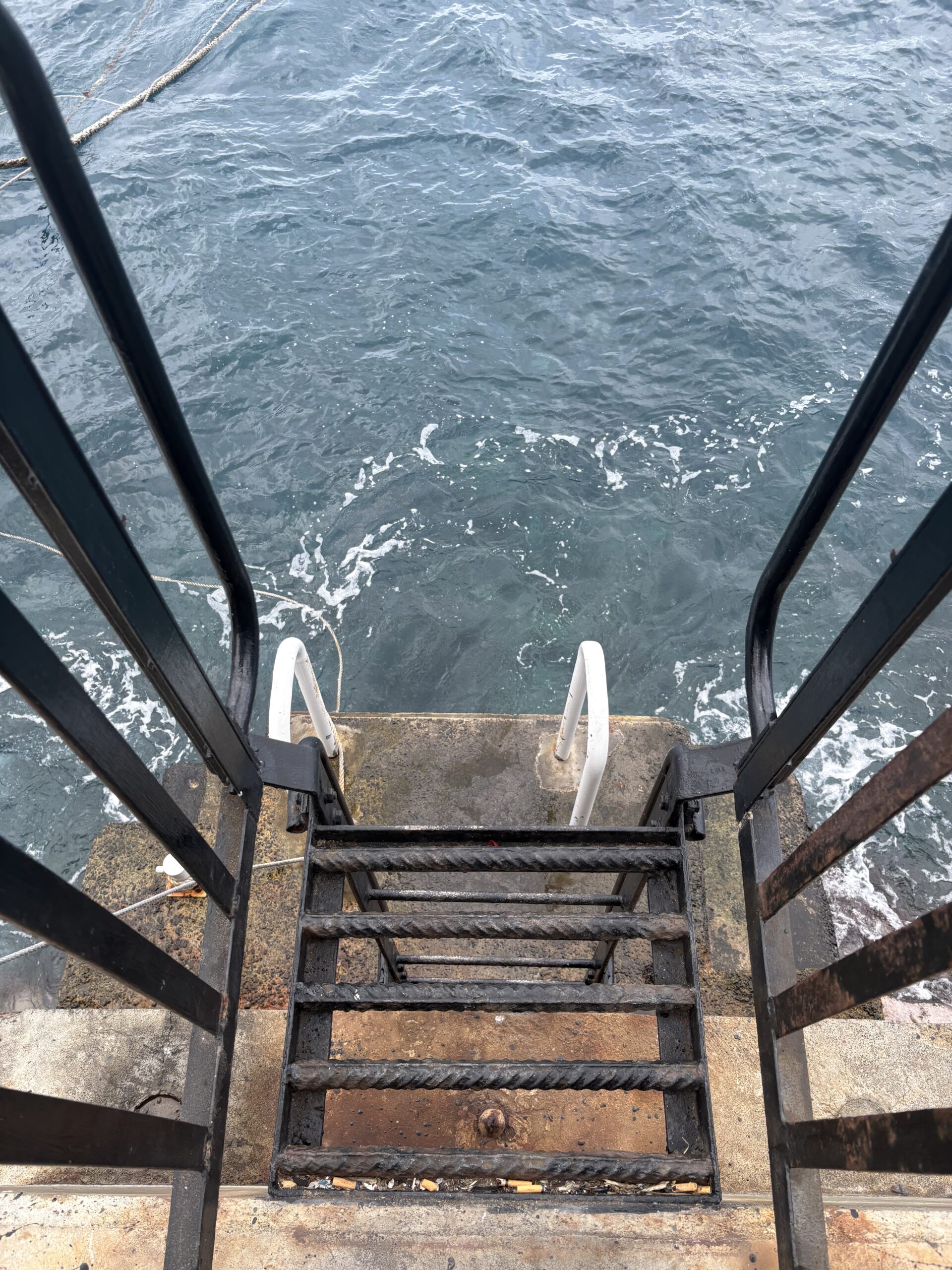
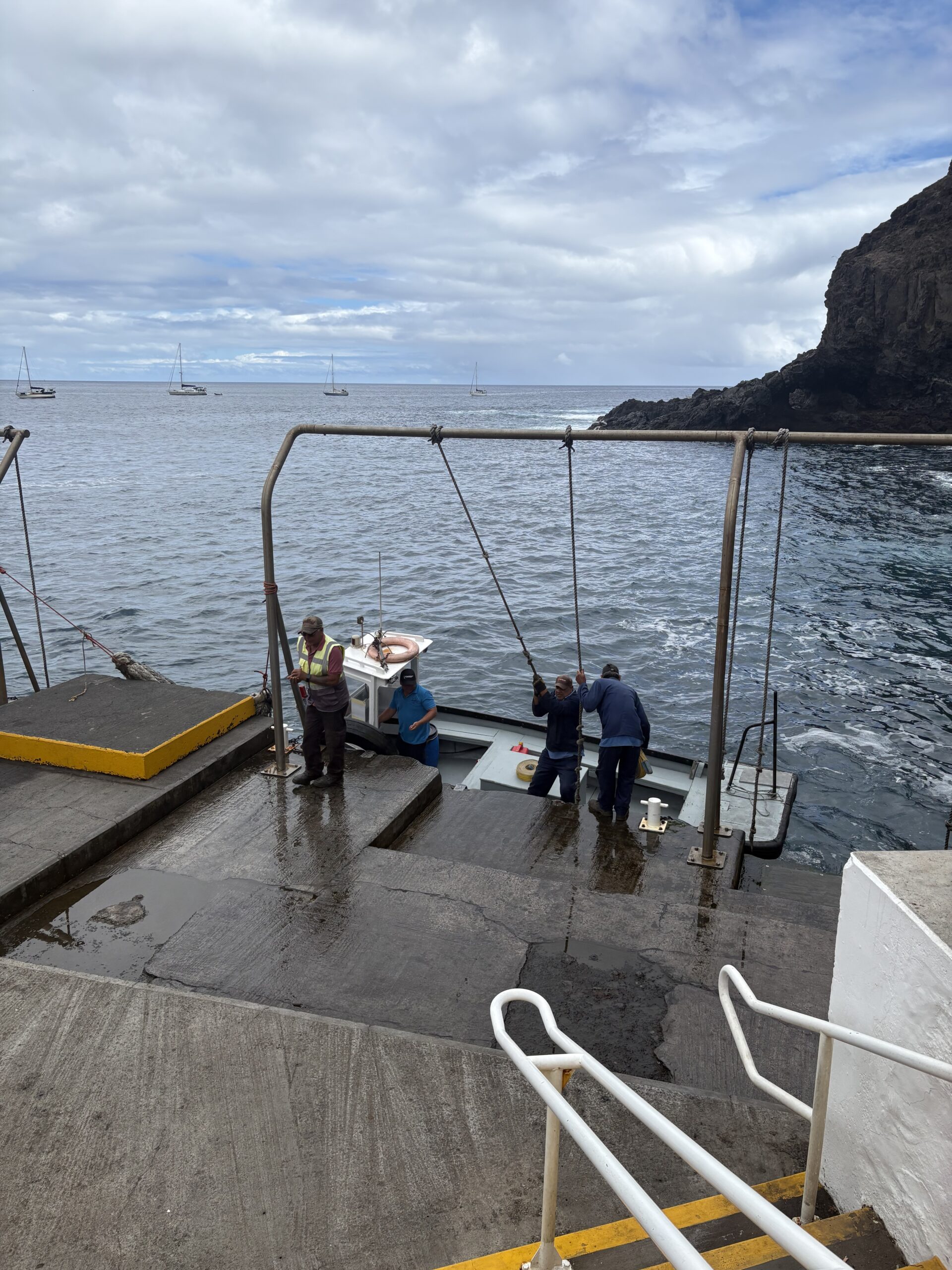
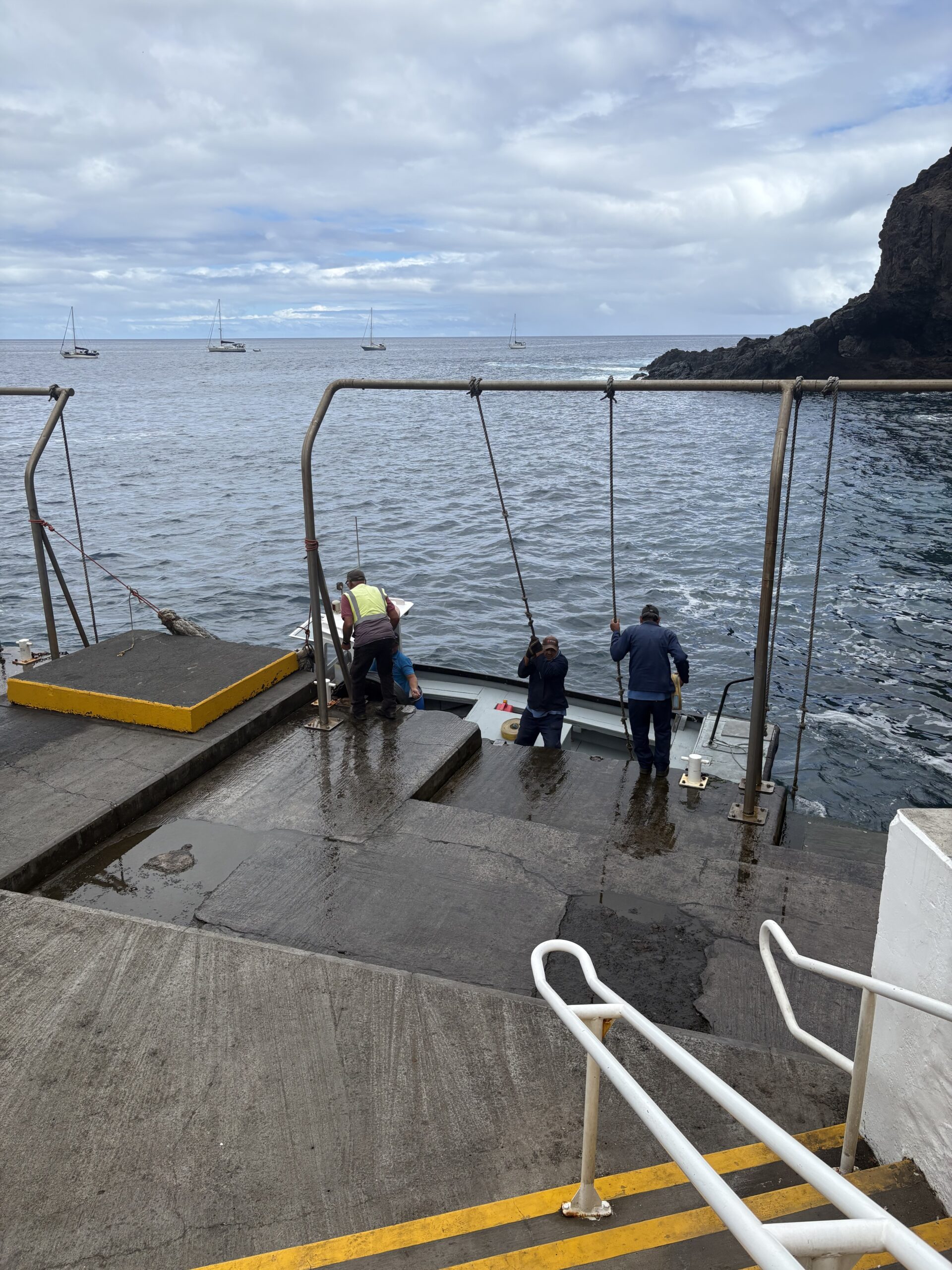
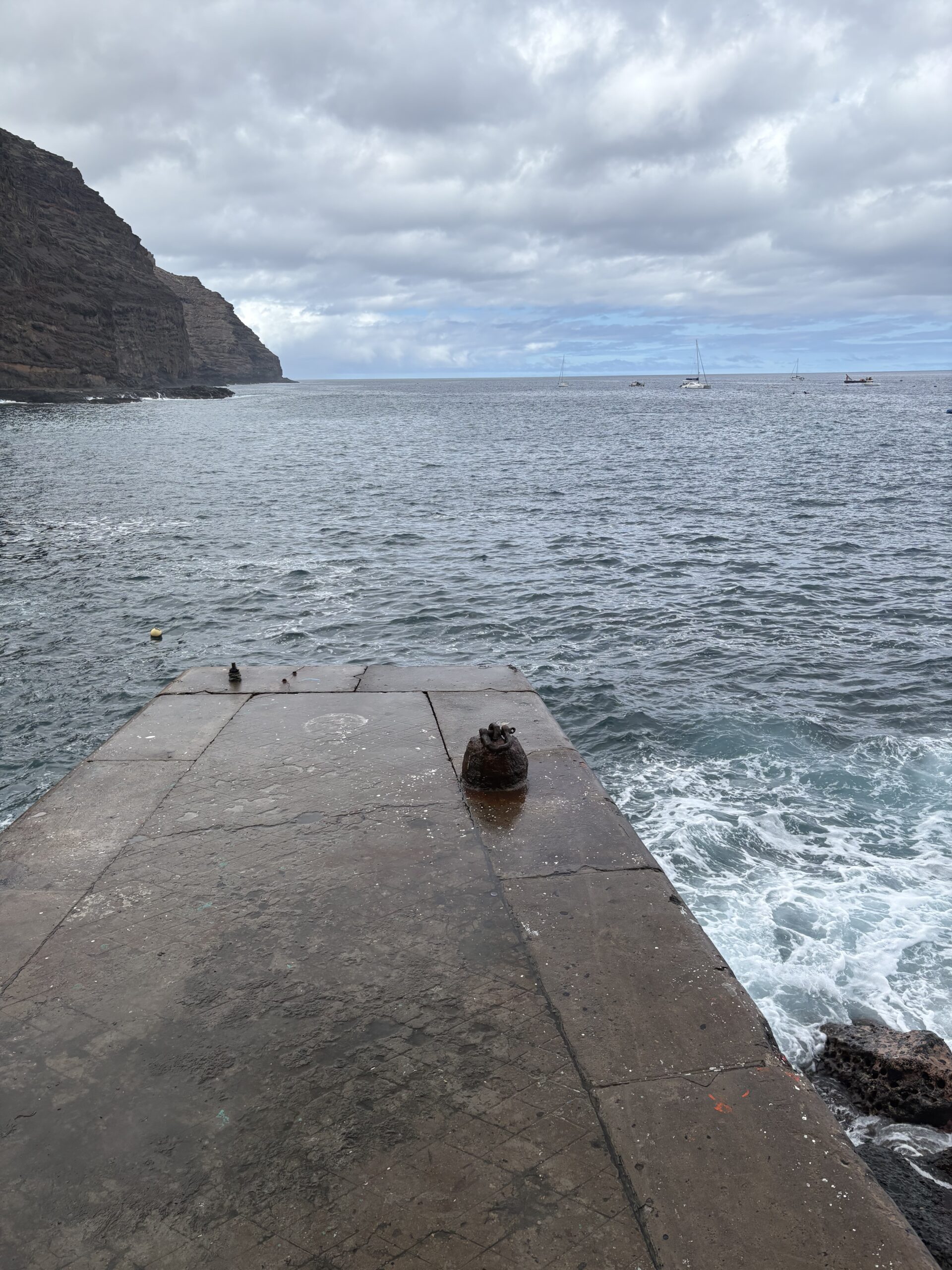
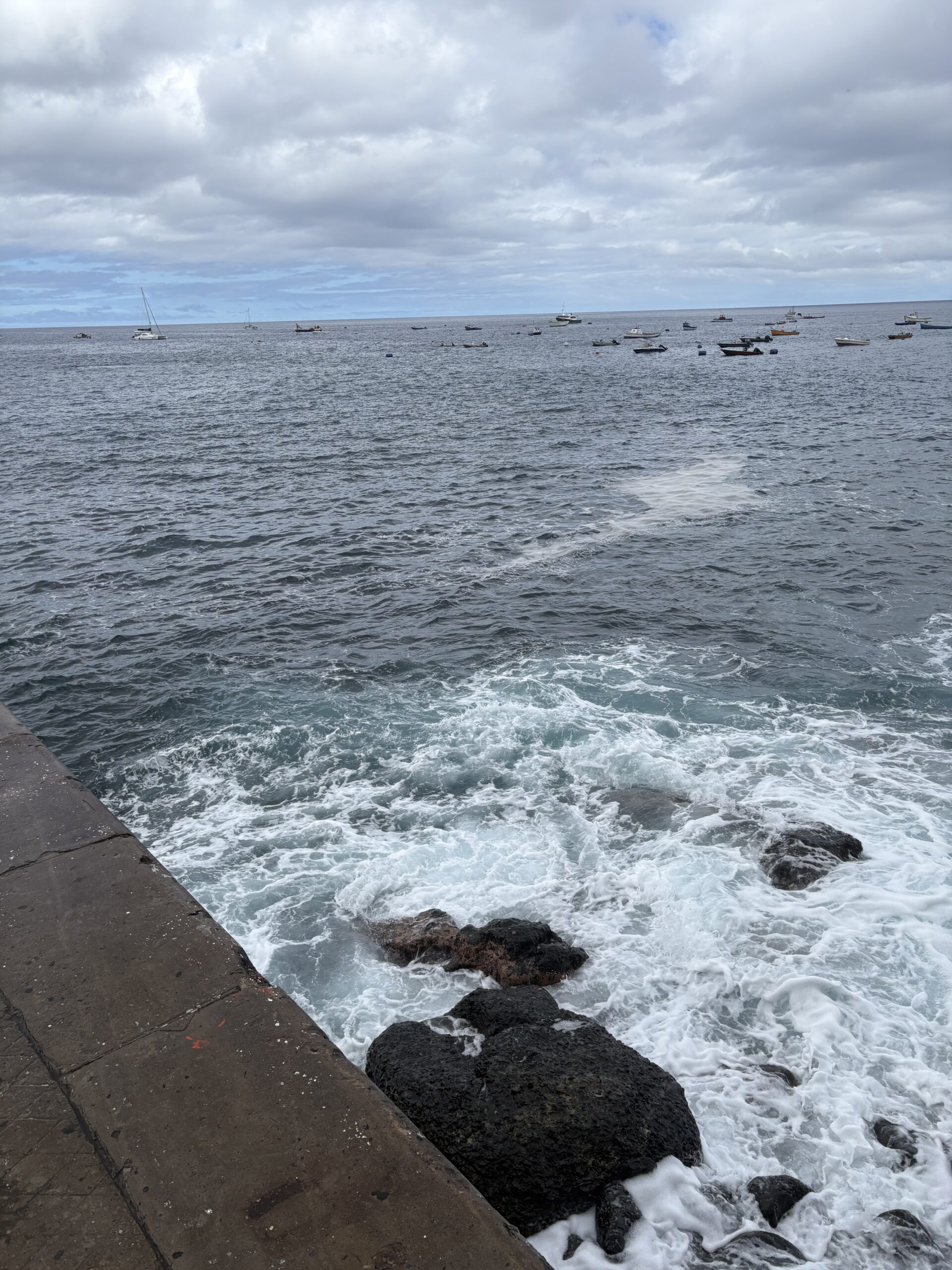
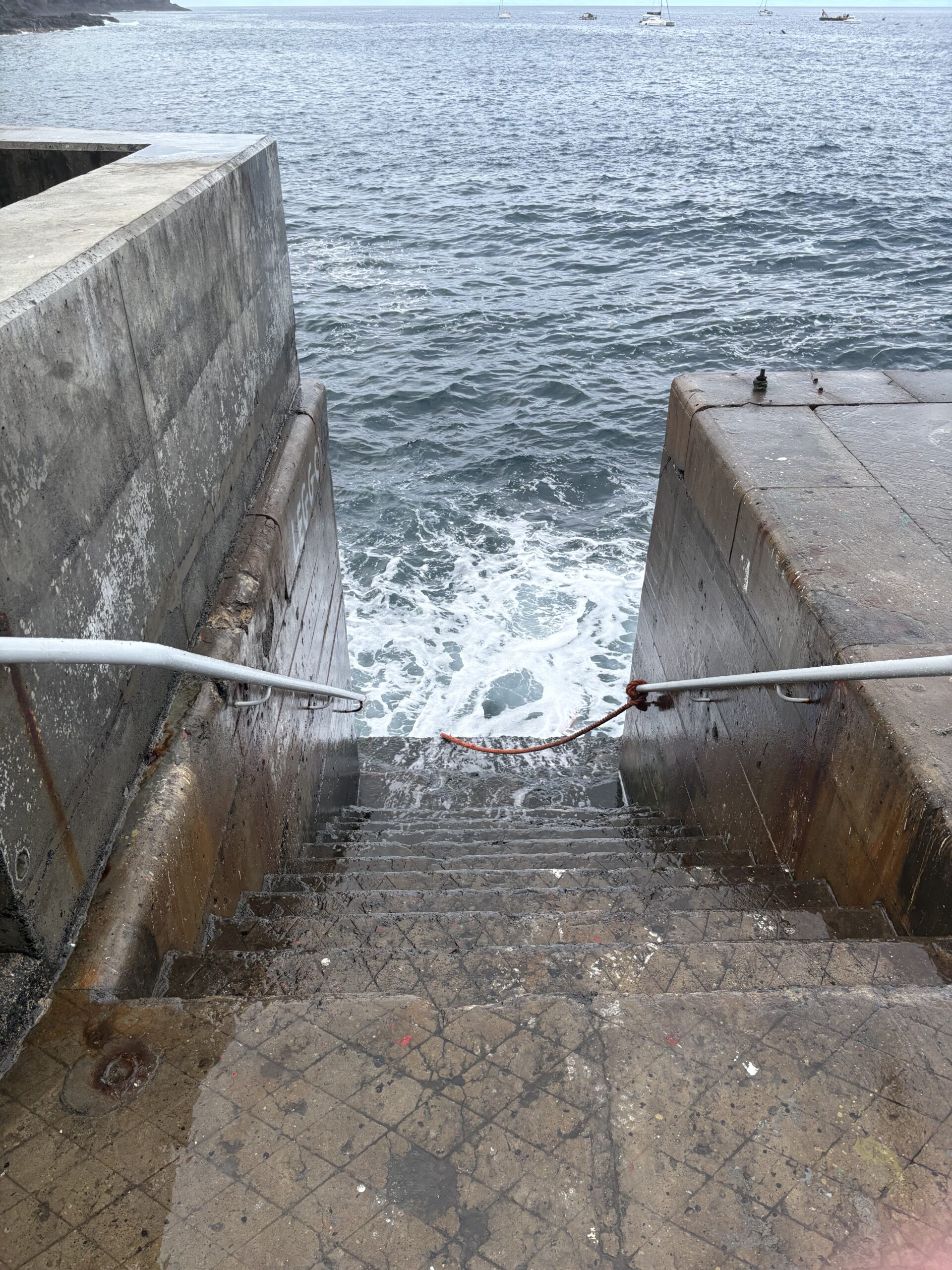
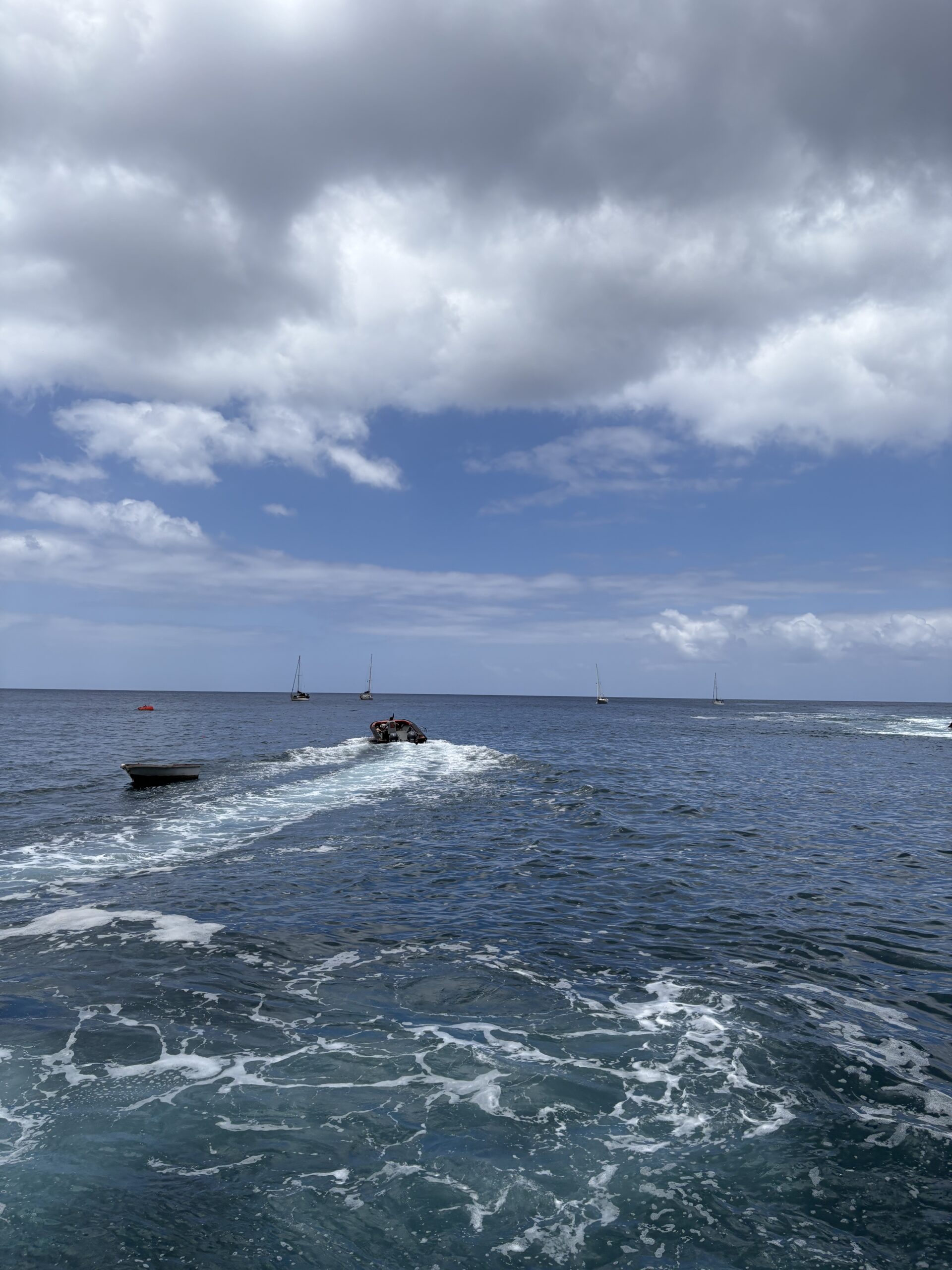
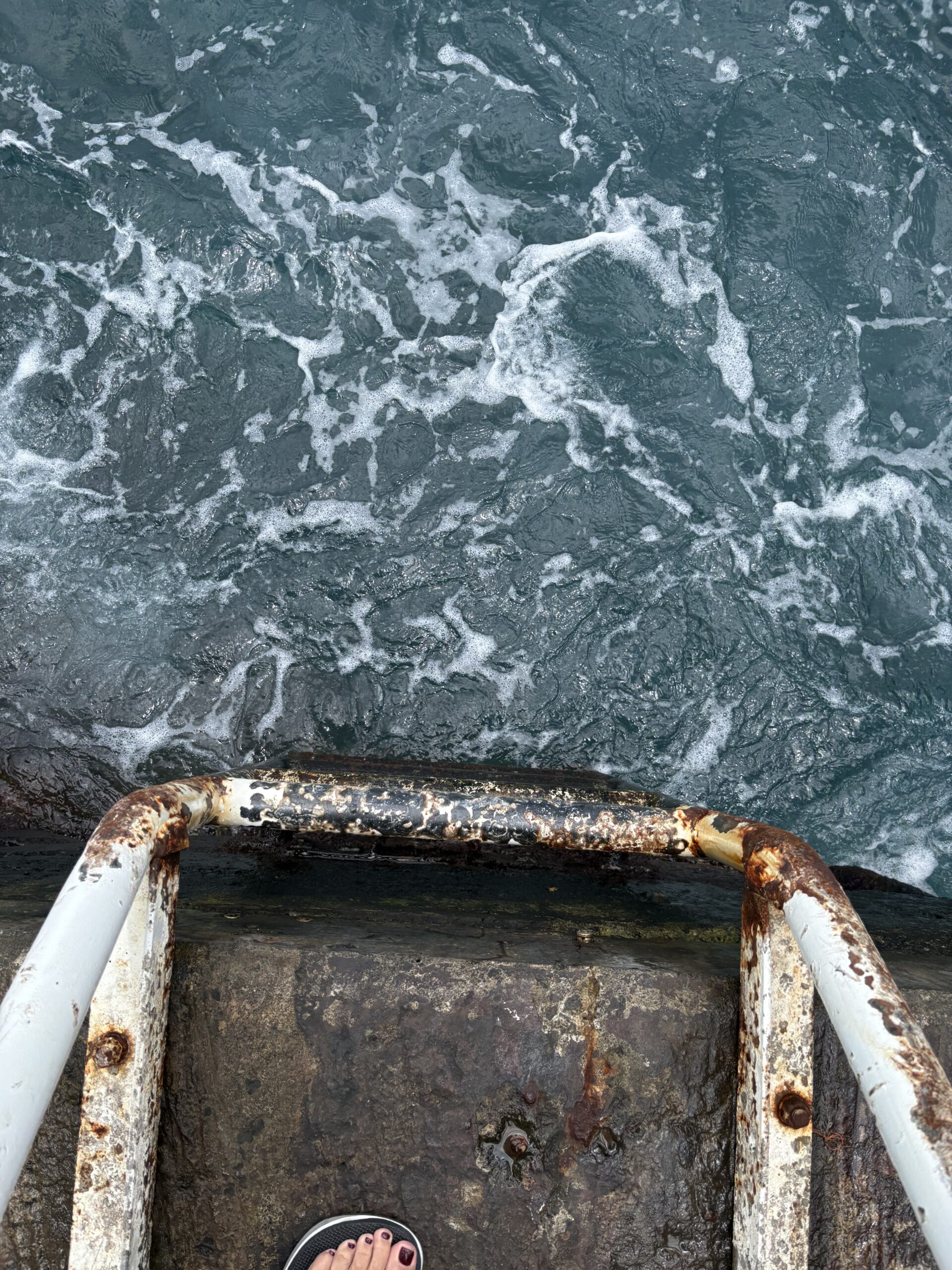
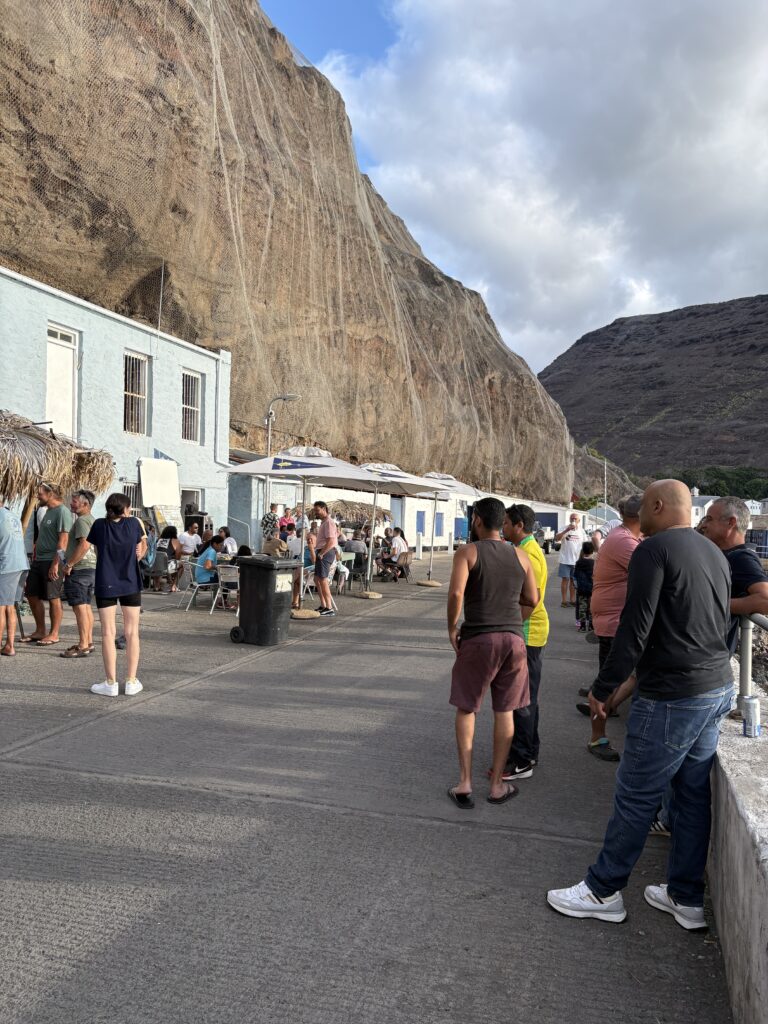
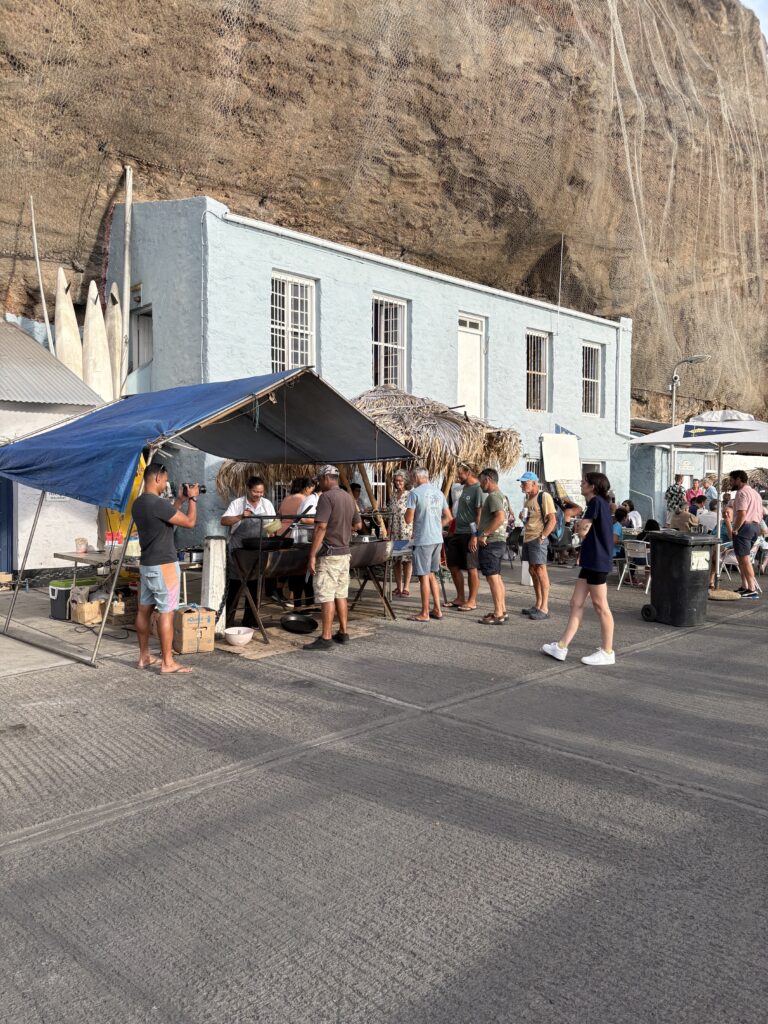
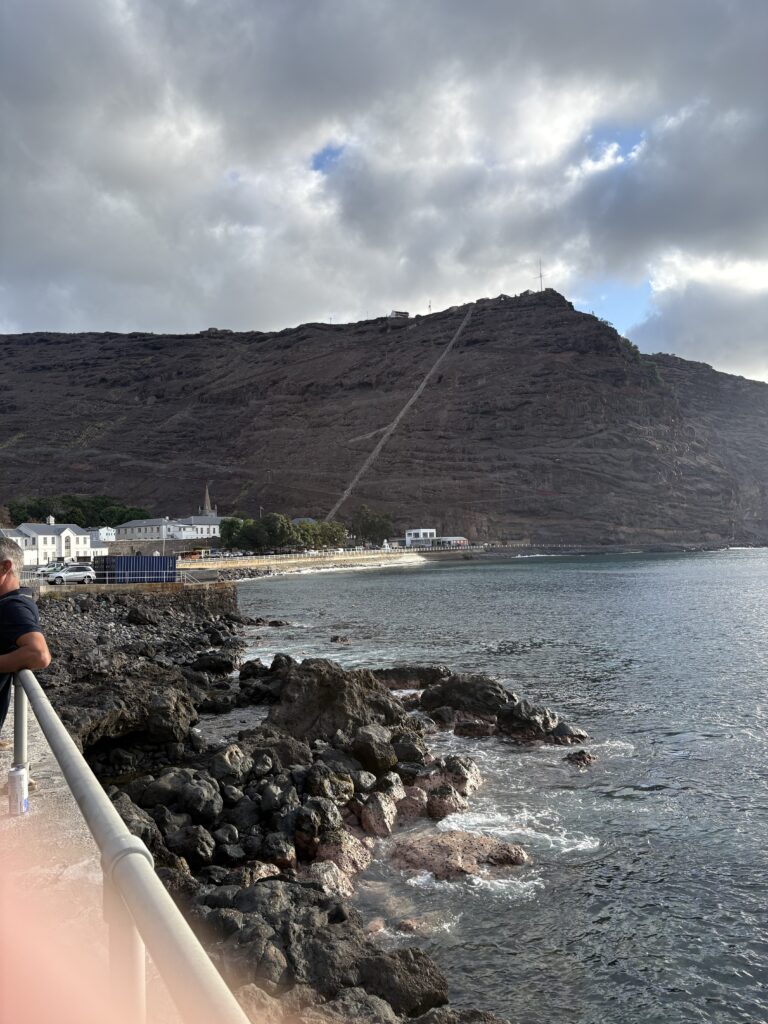
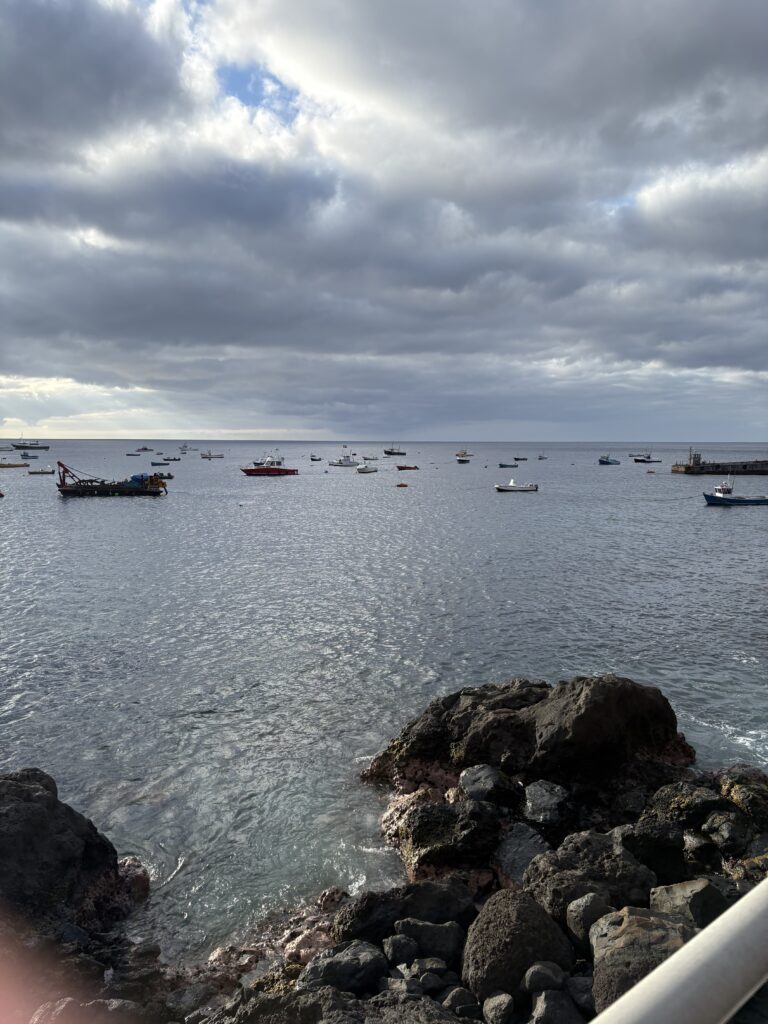
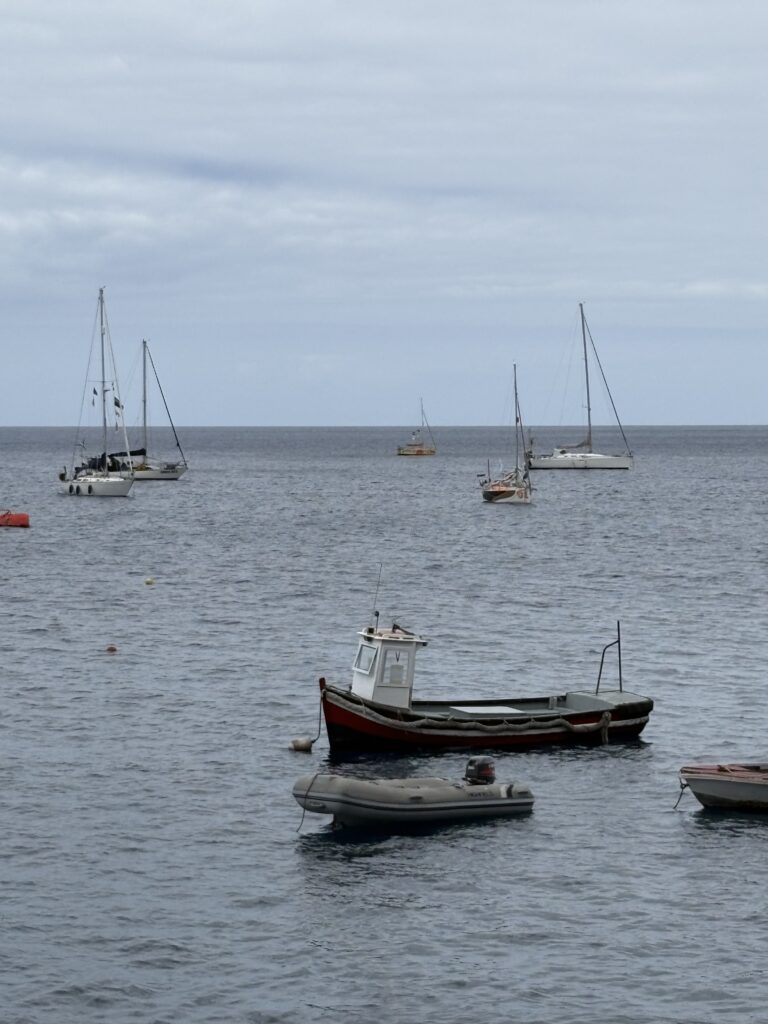
I spent many hours walking along the wharf in Jamestown from one end to the other and back again. I stared out over the bay at the fishing boats, yachts, ferries, exposed wrecks and the ocean beyond. I stared down at the turbluent ocean battering the walls of the wharf and the rocks closeby. I stared down the ladders we would have climbed up from the Wag, carefully and calulatingly counting the surge to avoid being pounded against the wall. I watched the ferryman. I watched the fishermen. I watched how the ropes had to be grabbed to ensure safe landing onshore. I stared out at the yachts, much larger than Scally, anchored in the bay, imagining their crew all having dinner onboard, like we did.
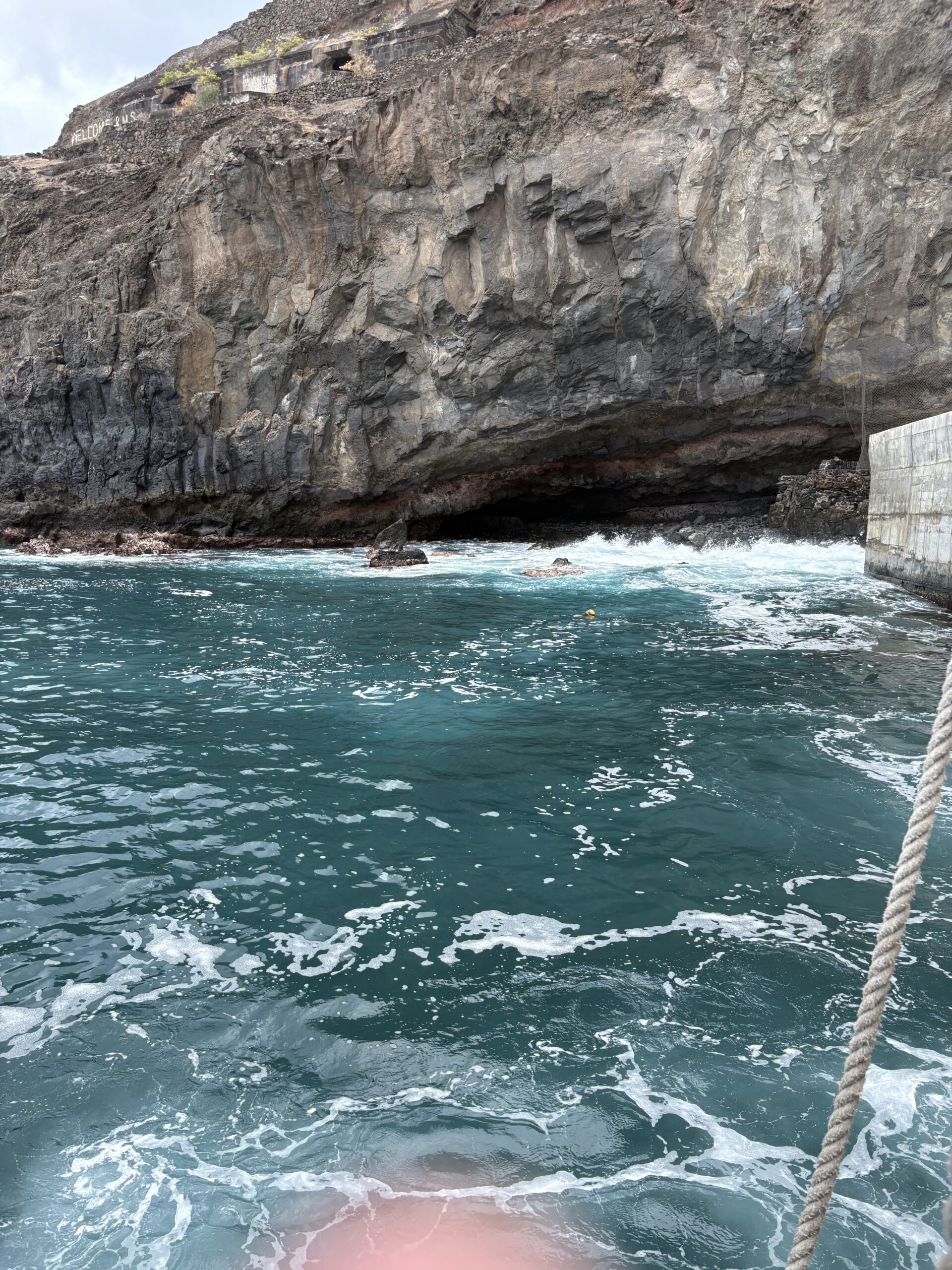
The waters in the bay are dark and turbulent. Rough and capricious. Unforgiving. Predictable only in that they are dangerous, deep and not to be underestimated. There are many wrecks and it’s a favourite spot for divers. The ocean is extremely cold and unwelcoming, although people do swim. We did, in 1982. This time, in 2026, I was not brave enough. Maybe if the rest of Scally’s crew had been there, we would have dared.
This bay was our home for around two months in 1982. Each day, we would row the Wag to the shore, and back. We slept onboard to the sound of the waves slapping the side of Scally. It was warm and cosy down below. Going to shore was always an adventure. We had to count the swell, carefully, and each one of us would grab the ropes, or the railings of the steps, and jump ashore. The others would disappear with the receeding wave and wait for the next swell to jump. My youngest brother, aged two, was always carefully gripped in one of our arms, and he knew to hang on tightly. The crew member who had him only had one free arm to grab hold. The last to jump ashore had to make sure that Wag’s painter was with them, otherwise there would be no returning to Scally.
Dates: Early January 2026


Leave a Reply